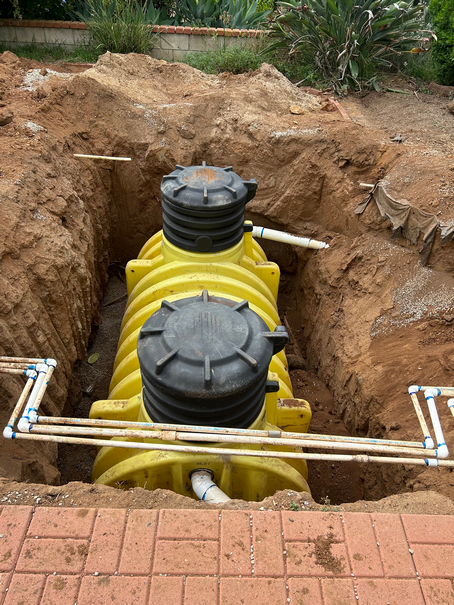
A septic inspection is a thorough evaluation of your septic system to assess its condition, functionality, and compliance with local health codes. During this inspection, a licensed professional examines all components of your system—including the tank, drain field, distribution box, and pipes—to identify potential problems before they become expensive repairs.
Most San Diego homeowners need a septic inspection when buying or selling a property, but regular inspections every three to five years help prevent system failures and extend the lifespan of your septic system. The inspection process typically takes two to three hours and involves checking for leaks, measuring sludge and scum levels, testing the drain field, and verifying that all components function properly.
Understanding what happens during a septic inspection can help you maintain your system and avoid the stress of unexpected failures. Whether you’re preparing for a real estate transaction or maintaining your current system, knowing the inspection process gives you confidence in your septic system’s health.
The Basic Inspection Process
Visual Assessment
The inspector begins by locating your septic tank and accessing the inspection ports. They’ll examine the area around your tank and drain field for signs of standing water, unusually green grass, or soggy soil—all indicators of potential problems.
Tank Opening and Examination
Once the tank is uncovered, the inspector removes the lid to examine the interior. They’ll check the structural integrity of the tank, looking for cracks, corrosion, or damage that could lead to leaks or collapse.
What Inspectors Measure and Test
The inspector measures sludge and scum layers inside your tank. When these layers occupy more than one-third of the tank’s volume, it’s time for pumping. They also test the inlet and outlet baffles to ensure wastewater flows correctly through the system.
Water levels receive careful attention. If the water level sits too high, it suggests a problem with the drain field or a blockage somewhere in the system. The inspector will also flush toilets and run water to observe how the system handles active flow.
Drain Field Evaluation
Your drain field is where treated wastewater disperses into the soil. Inspectors evaluate this area by:
- Walking the field to check for soft spots, odors, or surfacing sewage
- Looking for unusually lush vegetation that indicates system failure
- Testing soil saturation levels
- Checking the distribution box for equal flow to all drain lines
- Examining the drain field’s slope and positioning
Distribution Box and Component Checks
The distribution box directs wastewater evenly across your drain field. Inspectors verify that each outlet receives equal flow. If one line gets more wastewater than others, it can overload that section and cause premature failure.
They’ll also inspect:
- Pipe connections for leaks or separations
- Filter screens if your system has them
- Pump functionality in systems with mechanical components
- Alarm systems to ensure they’re working
- Electrical components in aerobic or pressure distribution systems
Common Problems Found During Inspections
Many inspections reveal minor issues that are easy to fix when caught early. Inspectors frequently find tanks that need pumping, damaged baffles, or clogged filters. These problems rarely require major repairs if addressed promptly.
More significant issues include cracked tanks, failing drain fields, or tree roots infiltrating pipes. While these problems cost more to fix, finding them during an inspection prevents catastrophic system failure and potential health hazards.
When Problems Require Immediate Attention
Some findings demand quick action. A severely cracked tank can contaminate groundwater. A saturated drain field may be releasing untreated sewage. If the inspector identifies these conditions, they’ll recommend immediate repairs to protect your property and public health.
Real Estate Transaction Inspections
Septic inspections play a different role in real estate deals. Buyers want assurance that the system works properly and won’t require immediate replacement. Sellers benefit from inspections too—fixing small problems before listing can prevent deal-breaking discoveries during escrow.
San Diego County requires proper septic system documentation for property transfers. A recent inspection report satisfies this requirement and provides buyers with confidence in their investment.
Maintaining Your System Between Inspections
Regular maintenance keeps your septic system running smoothly. Pump your tank every three to five years depending on household size and usage. Avoid flushing non-biodegradable items, excessive grease, or harsh chemicals that kill beneficial bacteria.
Watch for warning signs between inspections—slow drains, gurgling pipes, sewage odors, or wet spots in your drain field. These symptoms often indicate problems that need professional attention.
If you need a thorough septic inspection in San Diego, Mineo Bros Septic provides comprehensive evaluations that identify problems before they become emergencies. Contact us today to schedule your inspection and ensure your system operates reliably.